 Reviews


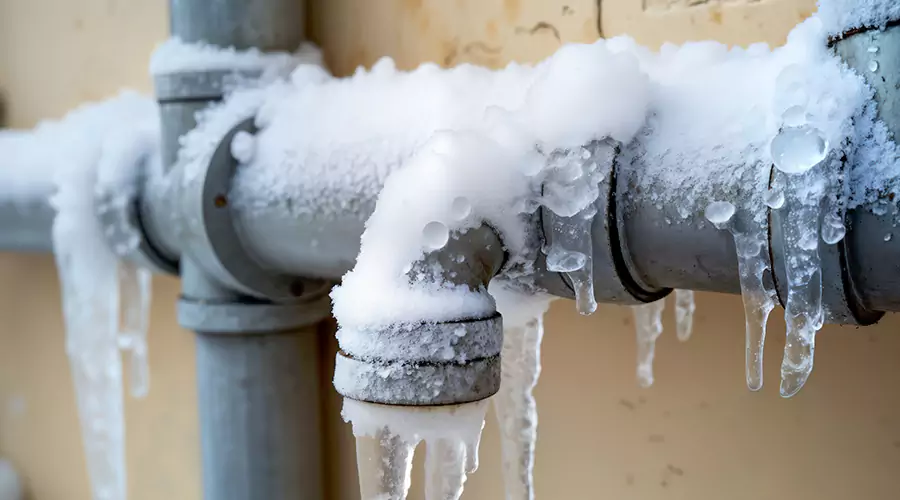
Winter is hard on your home's plumbing. When outdoor temperatures drop below freezing, the water sitting inside your pipes can freeze, expand, and crack the pipe wall from the inside. A single burst pipe releases hundreds of gallons of water into your home within hours, causing damage that costs thousands of dollars to repair.
Preventing frozen pipes costs very little. Fixing the damage they cause costs a great deal more.
Why Pipes Freeze and Burst?
Water is unusual in one specific way. Unlike most liquids, water expands as it freezes. Inside a pipe, that expansion has nowhere to go, which is why many homeowners eventually require emergency plumbing repair when pressure builds until the pipe wall gives way, and when the ice melts, water pours freely through the crack.
Pipes freeze fastest when temperatures drop below 32 degrees Fahrenheit, but the real danger zone starts at 20 degrees Fahrenheit and below. At that temperature, exposed pipes can freeze in as little as six hours.
Certain pipes carry a much higher risk than others.
Pipes most likely to freeze include:
- Pipes running through unheated spaces like garages, attics, crawl spaces, and basements
- Pipes inside exterior walls with little or no insulation
- Outdoor water lines and garden hose bibs
- Pipes in vacation homes or properties left unoccupied during winter
Understanding where your most vulnerable pipes are located helps you focus your prevention efforts in the right places.
How to Prevent Pipes From Freezing?
Insulate Every Exposed Pipe Before Winter Arrives
Pipe insulation is the single most effective and affordable step you can take against frozen pipes. Foam pipe insulation sleeves are available at any hardware store and cost between $1 and $3 per linear foot. Simply slide the sleeve over the pipe and secure it in place.
Pay special attention to pipes running through unheated areas including basements, crawl spaces, garages, and attics. Outdoor pipes and any supply lines running along exterior walls deserve the same treatment.
Insulating pipes before the first freeze of the season takes a few hours and protects your entire plumbing system through the coldest months.
Keep the Heat On Throughout the Winter
Leaving the thermostat set to at least 55 degrees Fahrenheit at all times keeps interior temperatures high enough to prevent pipes from freezing, even in rooms you are not actively using.
Many homeowners make the mistake of turning the heat off completely when leaving for vacation or a holiday trip. Coming home to a burst pipe and significant water damage is a costly consequence of that decision.
Setting the thermostat to a minimum of 55 degrees before leaving the house for any extended period protects your pipes without running up a large heating bill.
Open Cabinet Doors Under Sinks
Pipes running beneath kitchen and bathroom sinks sit close to exterior walls and receive very little warmth from the surrounding room. Opening the cabinet doors underneath those sinks allows warm air to circulate around the pipes and significantly reduces the risk of freezing during cold snaps.
This simple step costs absolutely nothing and takes less than 10 seconds per cabinet.
Let Faucets Drip on the Coldest Nights
Running water is much harder to freeze than standing water. On nights when temperatures are expected to drop below 20 degrees Fahrenheit, allowing a slow drip from faucets connected to exposed pipes relieves pressure inside the line and keeps water moving.
Focus this technique on faucets fed by pipes running along exterior walls or through unheated spaces. Even a very slow drip makes a meaningful difference on the coldest nights of the year.
Disconnect and Drain Outdoor Hoses
Garden hoses left connected to outdoor spigots trap water in the connection point and allow freezing temperatures to work their way back into the supply line inside your home. Disconnecting hoses before the first frost of the season prevents this from happening.
After disconnecting the hose, shut off the interior valve that controls the outdoor spigot and open the spigot itself to drain any remaining water from the line. Installing a frost-free hose bib removes this concern permanently by automatically draining the line after each use.
Seal Gaps and Cracks in Exterior Walls
Cold air finds its way inside through surprisingly small openings around pipe entry points, electrical outlets, and gaps in exterior walls. Even a small draft blowing directly onto a pipe can drop the local temperature enough to cause freezing on an especially cold night.
Sealing gaps with caulk or spray foam insulation blocks cold air intrusion effectively. Check areas where pipes enter the home from outside, around dryer vents, and near foundation openings. This step also improves your home's overall energy efficiency and reduces heating costs throughout the winter.
Heat Unheated Spaces Adequately
Garages, crawl spaces, and unfinished basements are common locations for pipes to freeze because they receive little to no heat from the main home. Adding a space heater to a garage or installing insulated crawl space covers prevents temperatures in these areas from dropping low enough to threaten pipes.
Electric pipe heating cables, also called heat tape, provide targeted warmth directly to vulnerable pipe sections. Wrapping heat tape around exposed pipes and plugging it in during cold weather keeps the pipe surface warm enough to prevent freezing without heating an entire room.
Always use heat tape products rated for your specific pipe material and follow manufacturer instructions carefully during installation.
Know Where Your Main Water Shut-Off Valve Is Located
Finding the main shut-off valve before a pipe freezes or bursts is essential knowledge every homeowner should have. In an emergency, getting to that valve quickly and turning the water off limits the amount of water that enters your home.
Main shut-off valves are typically located near the water meter, in the basement, in a utility closet, or along an exterior wall of the home. Confirm its location now, test that it turns smoothly, and make sure every adult in the household knows where it is.
What to Do if Your Pipes Are Already Frozen?
Acting quickly when you discover a frozen pipe limits the chance of a burst and reduces potential damage.
Confirm the Pipe Is Frozen
Turning on a faucet and getting no water flow is the most common sign of a frozen pipe. Check whether the problem is isolated to one fixture or affects multiple areas of the home. Isolated loss of water at a single faucet points to a frozen pipe in that specific supply line.
Apply Gentle Heat to the Frozen Section
Locating the frozen section of pipe is the next step. Look for frost on the pipe surface or feel along accessible pipes for unusually cold sections.
Applying gentle heat thaws a frozen pipe safely. Using a hair dryer on a low setting works well for accessible pipes. An electric heating pad wrapped around the pipe or warm towels soaked in hot water also work effectively.
Always work from the faucet end of the pipe toward the frozen section. This allows water and steam to escape as the ice melts rather than building pressure between the thaw point and the closed faucet.
Never use open flame tools including propane torches or heat guns near pipes. Excessive heat damages pipe materials, ignites nearby insulation, and creates a serious fire hazard.
Keep the Faucet Open While Thawing
Leaving the faucet open during the thawing process lets steam and water escape freely as the ice melts. Running water through the pipe also helps accelerate the thawing process from the inside.
Check for Cracks or Leaks After Thawing
Inspecting the entire length of the previously frozen pipe after it has thawed fully catches any cracks or damage caused by the pressure of freezing. Even hairline cracks that are not leaking immediately can fail later under normal water pressure.
Calling a licensed plumber to inspect a recently thawed pipe is a smart move, especially if you could not locate the entire frozen section visually.
Protecting Your Home During Extended Absences
Leaving your home for an extended period during winter requires a few additional precautions beyond keeping the thermostat set.
Shutting off the main water supply and draining the pipes completely eliminates any standing water that could freeze. Opening every faucet briefly after shutting off the main valve drains residual water from the lines.
Asking a trusted neighbor or friend to check on the home periodically during your absence provides an extra layer of protection. Having someone with a spare key who can respond quickly to a problem limits damage significantly if something does go wrong.
Smart home water leak detectors and automatic shut-off devices provide real-time alerts sent directly to your phone if a leak is detected while you are away. These affordable devices offer significant peace of mind for homeowners who travel frequently during winter months.
Pipe Winterization for Vacation Homes and Seasonal Properties
Vacation homes and properties left unoccupied through winter need more thorough preparation than a primary residence.
Full pipe winterization involves shutting off the main supply, draining every pipe in the home, blowing out supply lines with compressed air, and adding antifreeze to drain traps in toilets, sinks, and floor drains. Hiring a licensed plumber to perform a complete winterization service on a seasonal property ensures no section of the plumbing system is left vulnerable.
Skipping this process or performing it incompletely is one of the leading causes of burst pipes and extensive water damage in vacation properties discovered at the start of the following season.
How Much Does Burst Pipe Repair Cost?
Understanding the financial stakes reinforces why prevention is always the better investment.
Repairing a single burst pipe typically costs between $200 and $1,000 depending on the pipe material, location, and accessibility. When water damage to walls, flooring, insulation, and personal property is factored in, total costs from a single burst pipe incident commonly reach $5,000 to $70,000 or more in severe cases.
Homeowners insurance often covers sudden and accidental burst pipe damage, but policies vary. Reviewing your coverage before winter and confirming what is and is not included in your policy protects you from unexpected out-of-pocket expenses.
Prevention through insulation, heat, and basic winterization measures costs a fraction of even the most conservative damage estimate. Spending $50 on pipe insulation sleeves today is a straightforward investment against a potential five-figure repair bill.
Signs of Pipe Damage to Watch for After a Cold Snap
Inspecting your plumbing system after a period of intense cold catches developing problems before they become serious.
Watch for these warning signs:
- Unexplained increases in your water bill after winter weather
- Reduced water pressure at fixtures throughout the home
- Damp spots, soft patches, or staining on walls, ceilings, or floors
- The sound of running water inside walls when no fixtures are in use
- Discolored water coming from taps after a period of freezing temperatures
Contacting a licensed plumber promptly when any of these signs appear makes the difference between a manageable repair and a major restoration project.
Summary
Frozen pipes are one of the most preventable and most costly plumbing emergencies homeowners face each winter. Taking action before temperatures drop protects your home, your belongings, and your budget from serious harm.
Insulating exposed pipes, maintaining indoor heat above 55 degrees, opening cabinet doors, allowing faucets to drip on the coldest nights, and disconnecting outdoor hoses are steps every homeowner can complete before winter arrives. Knowing where the main shut-off valve is located and acting quickly when pipes freeze limits damage when problems do occur.
Seasonal properties and vacation homes require full winterization to protect against burst pipes during extended periods of vacancy. The cost of professional winterization is minimal compared to the damage a single burst pipe causes.
Treating pipe freeze prevention as a standard part of winter home preparation keeps your plumbing system reliable, your home protected, and your repair bills where they belong as low as possible.